What is Bitcoin?
Crypto is a form of digital money that exists entirely online and operates independently of banks or
governments. It’s powered by blockchain technology which is a secure public record that tracks every
transaction
and prevents theft. Crypto is used to send money globally, invest, or make online purchases quickly
and with low transactional fees. However, since crypto is still new it is highly volatile and unpredictable
which carries risks, so understanding how it works is important before getting involved.
Research Summary
This research project was conducted to explored how cryptocurrency is reshaping traditional finance. Three
main ideas were chosen for this investigation: centralization to decentralization, Security between banks
and crypto wallets, and cryptocurrency in South Africa.
The study revealed that while digital currency promises greater freedom and innovation but it also introduces
new challenges in security and trust. Through a combination of research and user surveys, it was proven that
most people understand the basic ideas of online security, such as using strong passwords and
multi-factor authentication but often fail to apply them consistently. This inconsistency remains one of the
biggest risks to financial safety, especially as technology continues to evolve.
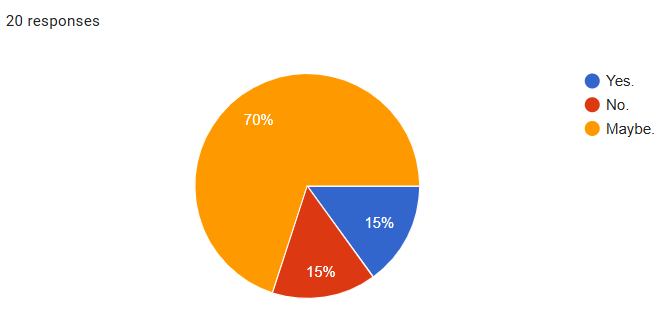
mixed opinions about decentralization were very evident. Many were uncertain whether a decentralized
system like blockchain would make the global economy more stable. While some saw the potential for
transparency and reduced corruption, others were concerned about the lack of regulation and personal
responsibility that comes with managing crypto assets.
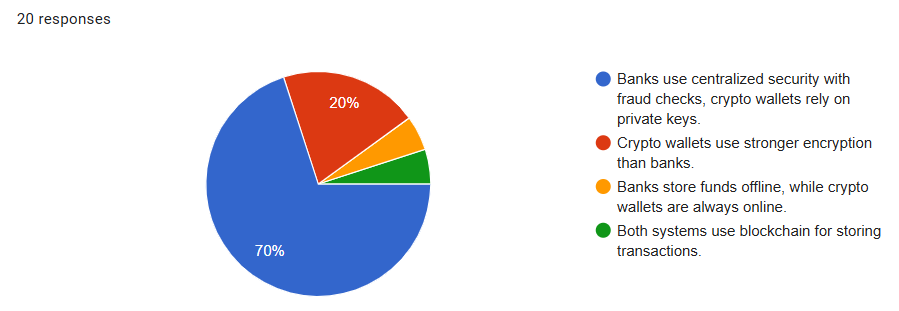
When comparing the security of traditional banks with that of crypto wallets, the research found that banks
rely on centralized security systems that are monitored and insured, while crypto wallets depend on
individual users protecting their own private keys. This creates both freedom and risk since users gain
control
but also bear the full responsibility for keeping their assets safe.
The study also aimed to examine the idea of cryptocurrency in South Africa. Compared to countries like the
United States, South Africa faces more obstacles such as high electricity costs, limited access to mining
technology, and inconsistent regulation. However, despite these challenges there is growing interest in
trading over mining which proves that crypto remains a promising financial alternative for many South
Africans seeking independence from traditional banking.
Overall, the research highlights that the security of both centralized and decentralized systems depends
heavily on people’s actions and awareness. Advanced technology can protect data, but users themselves are
the deciding factor in preventing fraud and ensuring safety. As digital finance continues to expand, public
education, user responsibility, and balanced regulation will be essential to building the digital economy
and a secure financial future.
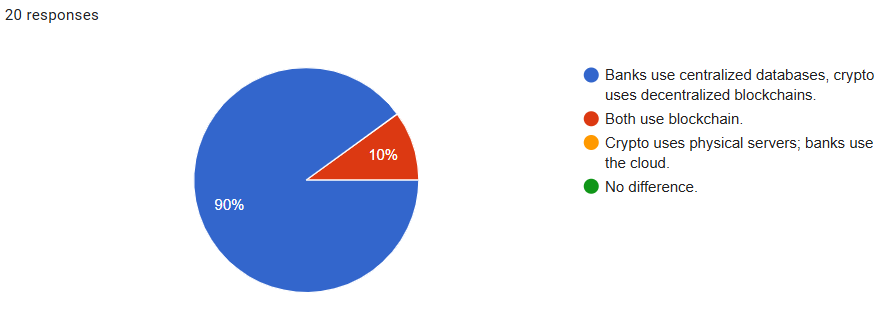
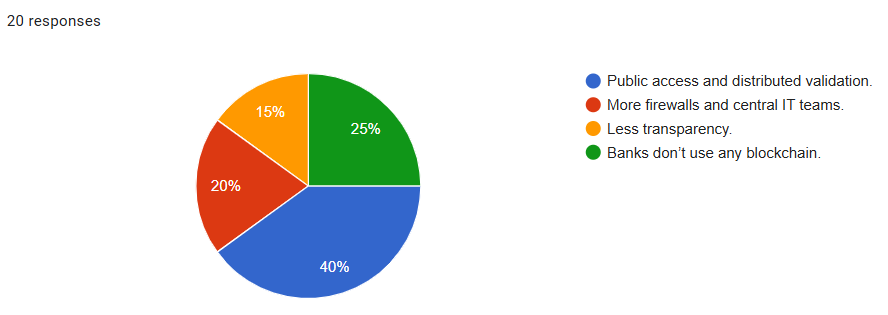
Centralization vs Decentralization
This is the shift from traditional centralized financial systems like banks
to decentralized ones like cryptocurrency. Decentralization removes middlemen and distributes control
across a network, offering more transparency but also more personal responsibility.
Bank security and crypto wallets
Bank Security and Crypto Wallets explores how people perceive safety in the digital age, comparing
the security of traditional banks with that of cryptocurrency storage systems. Both aim to protect users
money, but they rely on very different methods. Banks depend on centralized control, strict regulations, and
customer support. Crypto wallets place full responsibility in the hands of individual users. This
difference creates an important question: which system do people truly trust more?
What security measures do banks take in comparison to crypto wallets?
|
What if all banks switched to a blockchain based security system?
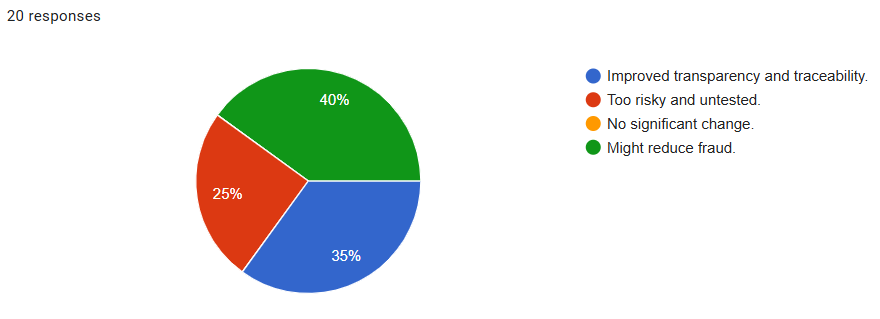
|
Crypto In South Africa
The topic Crypto in South Africa focuses on how viable cryptocurrency is as an investment or trading
opportunity within the country. It compares South Africa’s conditions including energy costs, access to
suitable technology, and government regulation to those of first-world countries like the United States.
What is the average return rate of crypto when investing in South Africa?
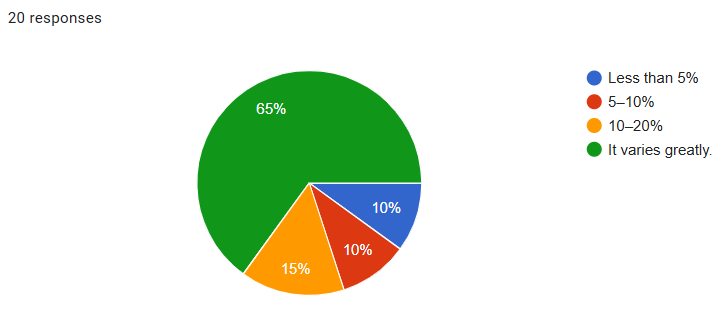
|
Why is crypto more profitable to mine and trade in first-world countries in comparison to South
Africa?
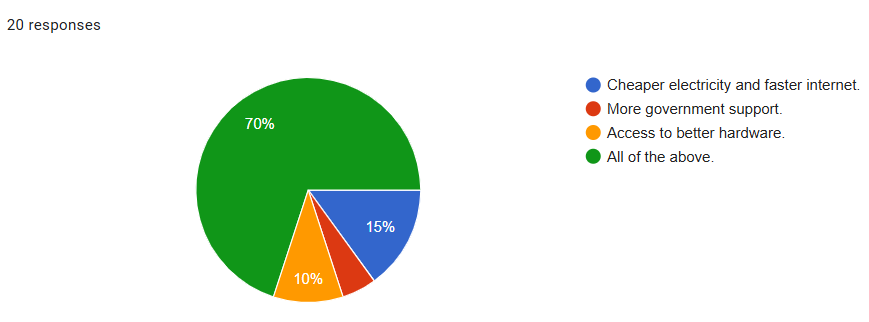
|
What if South Africa’s economy continues to decline, will crypto be a way out?
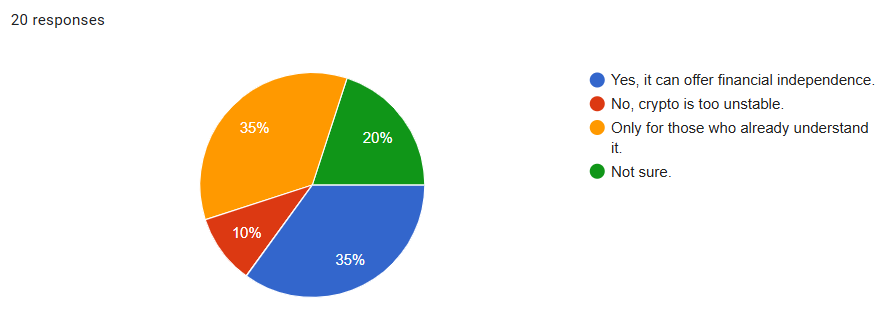
|
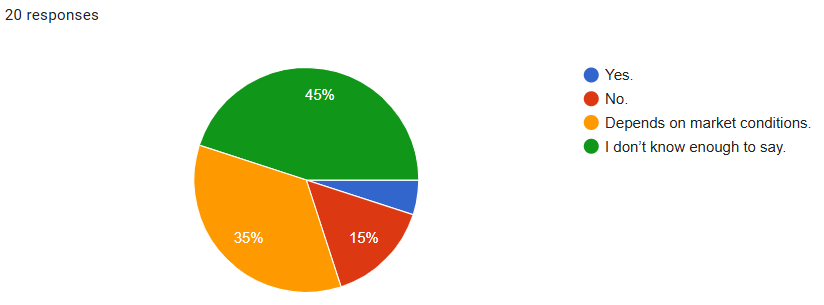
Would it be more profitable to focus on trading only?
|
The data shows that South Africans see crypto as promising but challenging. Many respondents believe trading is
more practical than mining due to high electricity costs and limited mining infrastructure. While there is
optimism about the potential of crypto, most agree that South Africa still faces barriers to full-scale
adoption. The results lean toward the conclusion that crypto trading may be the better short-term focus, with
mining being less viable under current conditions.
Conclusion
The research shows that while cryptocurrency continues to grow in popularity, public understanding and trust in
it are still developing. Most people value the security and structure of traditional banks but are also curious
about the independence and transparency offered by decentralized systems. In South Africa, crypto presents both
opportunities and challenges — it holds strong potential for investment and financial freedom, yet faces
obstacles like high costs and regulatory uncertainty. Overall, the study highlights that technology alone cannot
guarantee financial security; it depends on informed, responsible users who take an active role in protecting
their assets. As digital finance evolves, awareness and education will remain the key to a safer, more inclusive
financial future.
Security, knowledge and trust. The three pillars of
a safe digital future.